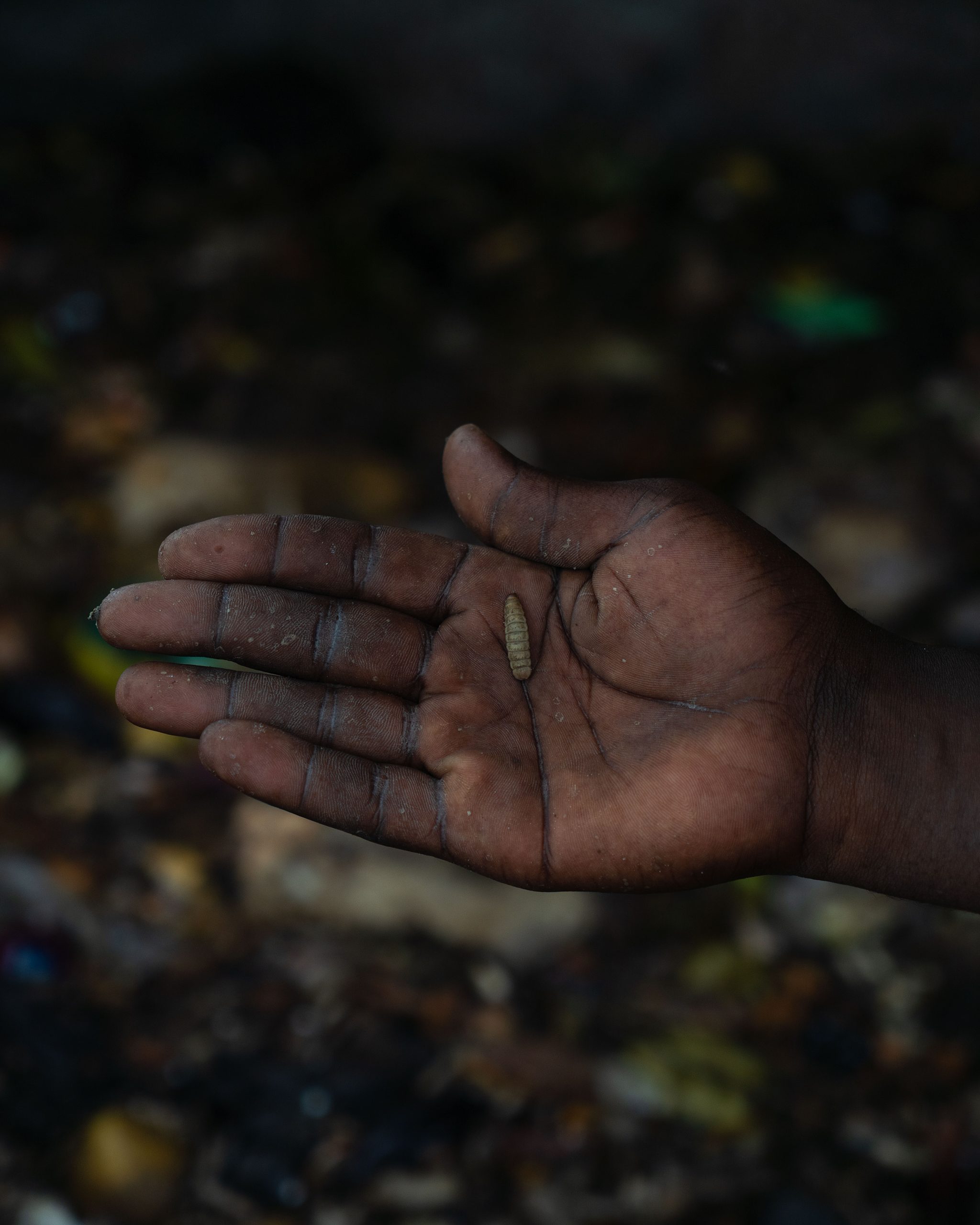
Zanzibar is a small island. That sentence carries more weight than it might first appear. When you live and work on an island, the consequences of poor land management are not distant or abstract. They are visible, immediate, and permanent. The soil beneath your feet, the freshwater in your pipes, the waste your household or hotel produces every single day — all of it stays here. There is no “away.” What happens on this island, happens to this island.
That is the context in which we work at Permaculture Design Company. And it is the reason we believe permaculture design is not a lifestyle choice or a luxury add-on for Zanzibar properties. It is a practical, urgent, and intelligent response to a genuine ecological challenge.
A Fragile Ecosystem Under Real Pressure
Zanzibar’s soils are predominantly sandy and coral-derived — naturally low in organic matter and highly vulnerable to degradation when cleared, compacted, or treated with synthetic fertilisers. Once topsoil is lost on an island this size, rebuilding it takes decades. There is no importing your way out of that problem.
Freshwater is not abundant here. The island depends on seasonal rainfall, shallow aquifers, and increasingly on energy-intensive desalination. Every decision about how land is managed — how much vegetation covers it, how water moves across it, how organic matter is returned to it — has a direct and measurable impact on how well that water is retained and replenished for the next season.
And then there is waste. Zanzibar’s rapid growth in tourism and residential development has produced a waste challenge that its infrastructure is still catching up with. Organic waste — food scraps, garden cuttings, kitchen by-products — goes to landfill by default, when it could be composted, converted to soil amendment, or cycled back into productive landscape. That is not a philosophical position. That is a missed resource.
None of these are small problems. And none of them are solved by good intentions alone.
What Permaculture Design Actually Does
Permaculture is a design methodology. It uses the patterns and relationships found in functioning natural ecosystems to design human environments — homes, farms, hotels, schools, communities — that are productive, resilient, and self-sustaining over time. It is not gardening. It is not organic farming. It is design.
In practical terms, on a Zanzibar property, this looks like the following.
Soil Building Through Composting and Mulching
Returning organic matter to the earth rather than sending it to landfill. Building microbial life beneath the surface. Increasing the soil’s capacity to hold water. Reducing the dependency on irrigation and imported fertilisers. A hotel that composts its kitchen waste and returns it to its landscape is closing a loop that most properties leave permanently open.
Water Harvesting and Management
Designing land so that rainwater is slowed, spread, and absorbed into the ground rather than lost to runoff and erosion. Swales, rain gardens, mulched pathways, and strategic tree planting all contribute to keeping water in the landscape longer. In a climate like Zanzibar’s — with distinct wet and dry seasons — this is not optional. It is the difference between a landscape that survives and one that thrives year-round.
Food Production Integrated Into the Landscape
A food forest is not a vegetable patch. It is a multi-layered, perennial system — canopy trees, sub-canopy fruit trees, shrubs, ground cover, root crops, and climbers — that produces food continuously with decreasing inputs over time. In Zanzibar’s climate, a well-designed food forest can be extraordinarily productive across every season of the year. Moringa in the canopy. Passion fruit on the fence. Lemongrass at the borders. Ginger in the shade. Every plant earning its place.
Waste as a Resource
In a well-designed system, every output becomes an input for something else. Greywater irrigates fruit trees. Food scraps feed a composting system that feeds the kitchen garden. Fallen leaves become mulch. Nothing leaves the site that does not need to. This is not an idealistic vision — it is how every functioning natural ecosystem on earth already operates.
The Opportunity Zanzibar Has Right Now
There is a version of Zanzibar’s future in which its soils are depleted, its aquifers stressed, and its landscapes cleared of the biodiversity that makes them extraordinary. That version is not inevitable. But avoiding it requires deliberate decisions made now — not later, when the damage is already visible.
There is another version. One where hotels and villas produce a meaningful share of their own food. Where coastal properties are designed to hold rather than lose their soil. Where the island’s deep traditional ecological knowledge — which understood these relationships long before the word “permaculture” existed — is honoured and built upon rather than discarded.
The coconut palm that gives water, oil, and weaving material from a single trunk. The food forest that feeds a household or a restaurant through every season. The composting system that closes the loop between kitchen and garden. These are not romantic ideas from another context. They are working systems, proven in climates identical to Zanzibar’s, across the tropical world.
Where We Come In
Permaculture Design Company has been working in Zanzibar since 2014. We design productive, regenerative landscapes for residential properties, boutique hotels, eco-lodges, and community projects across the island. Our work includes food forest design, composting systems, water harvesting, and the training of hotel and household staff in ongoing land stewardship.
Every site we work with is different. Every design begins with a careful, unhurried reading of the land — its soil composition, its water movement, its existing vegetation, its orientation to sun and prevailing wind. From that observation comes a design that works with the site rather than against it.
If you own or manage land in Zanzibar and you are thinking about what it could produce, how it could be managed more sustainably, or how to align your property with the ecological values your guests increasingly prioritise — we would like to talk.
This island is worth designing for properly.
Get in touch to discuss your site. Send us a message on Instagram or visit permaculturedesign.africa to learn more about what we make possible in Zanzibar.